
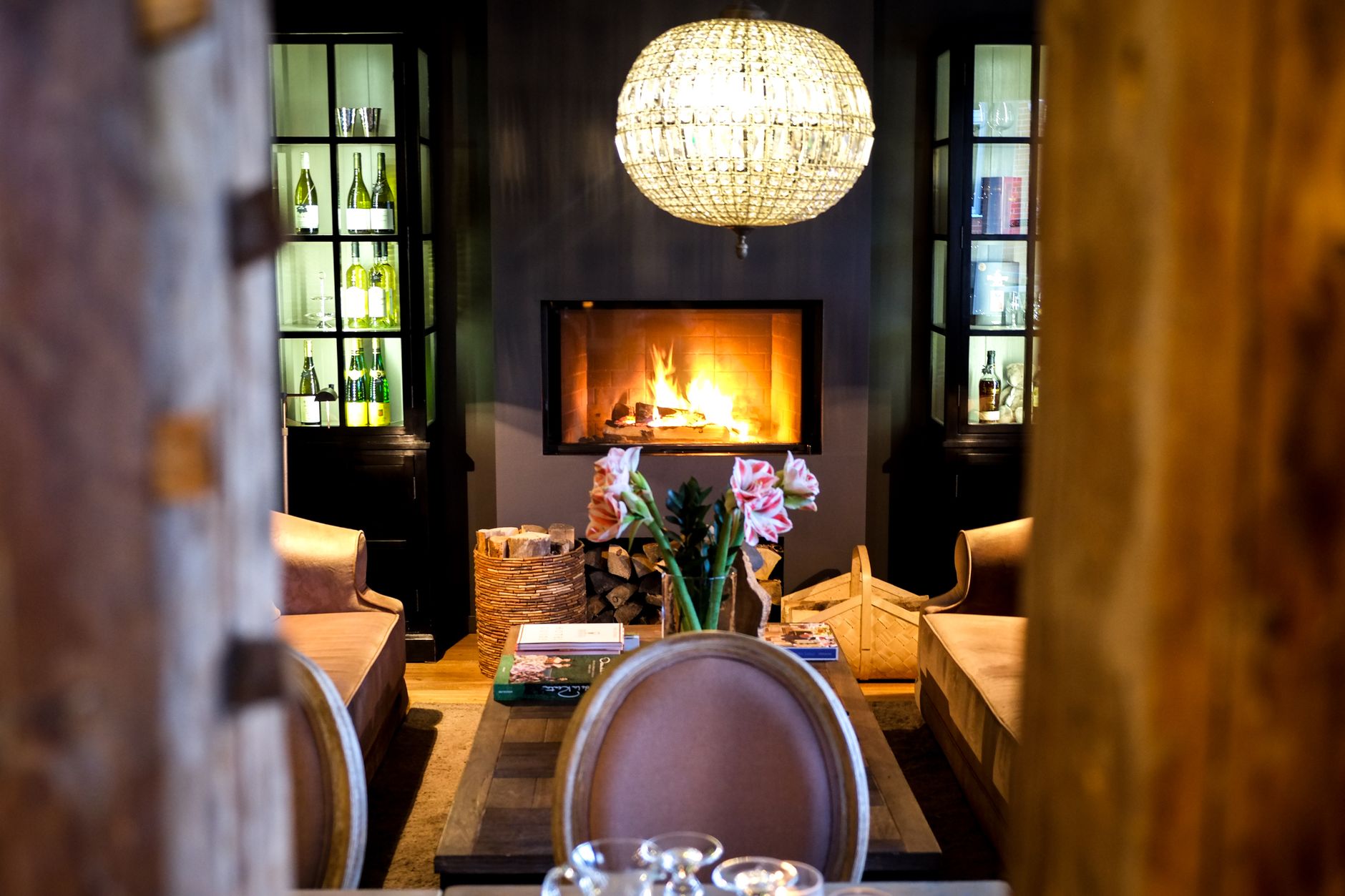
Pilot Out, Burner Dead or Flame Gone Wrong? We Find Out Why
Tell Us What It Is Doing
A line on the symptom and the address is enough. We reply with a visit day and the parts we expect to bring.
The Work, Part by Part
Most gas fireplace faults come from a short list of parts: the thermocouple or thermopile that proves the pilot, the valve, the igniter and the remote receiver. We test each with a meter, read the millivolts, and replace only what fails. Then we watch the flame and look at the vent and the glass seal, because a repair is not finished until the unit burns clean. If a part is no longer made, you hear that before we order.
The Chain of Parts Behind the Glass
Most gas fireplaces in La Habra Heights use one of two control systems, and knowing which you have explains most faults. A standing pilot system keeps a tiny flame burning beside the main burner. That flame heats a thermocouple, a metal sensor that produces a small voltage when hot, and the voltage holds a magnet in the gas valve open. Many units also have a thermopile, a bundle of the same kind of junctions that makes enough power to run a wall switch or remote without house wiring. If the pilot is weak, dirty or knocked off center, the sensor cools and the valve drops out. An electronic system skips the constant pilot. A control module sparks or glows to light the pilot on demand, then proves the flame with a sensing rod before it lets the main burner open; a dirty rod reads as no flame and the module shuts down. Remote receivers, batteries, wall switches and blowers sit around these core parts and fail in their own ways.
Symptoms tell us where to start. When the pilot survives only as long as a thumb holds the knob down, our suspects are the thermocouple, the small flame meant to heat it, and the magnet inside the valve. A steady pilot with a burner that ignores the switch sends us to the thermopile output, the switch wiring and the remote receiver. Clicking with no flame on an electronic unit points at the gas supply, the igniter gap or a module fault. A burner that lights then cuts out after a few minutes often means a vent problem tripping a safety switch, or on vent-free units a sensor reacting to low oxygen. We measure millivolts and continuity with a meter instead of guessing, so you pay for the part that failed and not for three that did not. Parts are matched to the maker and model on the rating plate, because gas valves and pilot assemblies are not interchangeable between brands.
What to Check Yourself and Where to Stop
Some gas fireplace problems are not faults at all, and we would rather you found those before paying for a visit. Check that the gas shutoff for the fireplace, often a key valve near the hearth or a quarter-turn handle behind the lower grille, is fully open. Replace the batteries in the remote and in the receiver, which usually sits in the control compartment or near the wall switch; dead receiver batteries cause a large share of the "it just stopped" calls we get. Make sure the wall switch, if there is one, is on and the house breaker for any blower is not tripped. If the unit has a valve knob marked off, pilot and on, confirm it is not left in the pilot position. Those checks take ten minutes and need no tools inside the unit.
Anything past that belongs to a technician. Opening the valve, adjusting pressure, replacing a thermocouple, re-centering a pilot hood or working on the vent all affect whether combustion gas stays inside the sealed system, and the parts need testing once fitted. A gas smell changes everything: leave switches and the unit alone, take the household out, and reach the gas utility from a phone well clear of the building. We come in once the supply is made safe. When you book a repair, tell us the make and model from the rating plate if you can read it, what the fireplace does when you try to light it, and whether the problem began after rain, after the season started or after someone worked on it. Repair costs vary with the part, and we name the price for the part and labor before fitting anything. Very old units with no parts available get an honest recommendation instead.
What Stays the Same on Every Job
Inspection Levels
NFPA 211 level picked to match why you called
Meter First
Gas parts measured before anything is swapped
Written Price
Parts, labor and total agreed before an order
Photos Kept
Pictures of each finding go in the report
Where we book gas fireplace repair
Open a city for local house types, weather notes and ZIP codes alongside this service.
CA
Gas Fireplace Repair in La Habra Heights
Home base for our gas hearth work: 96% of houses stand detached and 70% predate 1980. Pilot hood, thermocouple, shutoff valve: on a custom home of that age, those three get tested before the log set is lit.
Open city pageCA
Gas Fireplace Repair in Whittier
Older brick stacks here are often unreinforced or only lightly reinforced, and 88% of homes predate 1980. Gas logs or an insert set inside such brick still rely on a sound flue and a connector that holds gas, so we test both.
Open city pageCA
Gas Fireplace Repair in La Puente
81% of the housing predates 1980, raised where walnut orchards once stood. In a gas fireplace that old, thermocouple and pilot orifice wear thin, and replacing them is technician work.
Open city pageCA
Gas Fireplace Repair in Santa Fe Springs
Industry dominates, and homes sit in small pockets; just 5% predate 1950. On gas hearths of the 1950s and 1960s we leak-test the valve, clear clogged burner ports and judge the flame by its color.
Open city pageCA
Gas Fireplace Repair in Diamond Bar
77% owner-occupied, with 50% of houses older than 1980. A gas fireplace in one of them gets its glass seal, pilot assembly and outside vent termination looked over on our visit.
Open city pageOther Services
Chimney Sweep
Old creosote brushed from wood and gas flues, with the log set lifted out first and the cap and damper noted afterward.
Open →Chimney Inspection
Inspections at the three NFPA 211 levels, with each gas appliance's vent, its size and any shared flue written up separately.
Open →Chimney Repair
Damage to the stack, flue tile, cap and roof joint repaired once we know where the trouble starts, with a written scope you approve.
Open →Fireplace Inspection
The room side of the hearth looked over part by part: firebox panels, glass and seal, burner, valve compartment and the mantel clearance.
Open →Fireplace Repair
Cracked firebrick, warped refractory panels, broken doors and screens repaired in masonry and factory-built fireboxes, using maker's parts where they exist.
Open →Chimney Level 2 Inspection
Recorded footage from firebox to cap plus attic and roof checks, booked when a house sells, the fuel changes or the ground has shaken.
Open →Chimney Cap Installation
A cap fitted to the flue or vent termination so rain, birds and gusts stay out of the pipe your pilot depends on.
Open →Chimney Flashing Repair
The roof joint around the stack resealed with new step and counter pieces, so winter storms stop reaching the firebox below.
Open →Chimney Masonry Repair
Open joints, flaking brick faces and loose top courses repaired, with the mortar mix picked after testing what is already in the wall.
Open →Chimney Rebuilds
Stacks too loose to repair taken down and relaid, with a liner sized for the gas or wood appliance that will use them.
Open →Fireplace Cleaning
Ash, soot and stains cleared from the firebox and the face around it, with doors, screen and grate cleaned and looked over.
Open →Gas Fireplace Cleaning
Annual gas fireplace visit: burner ports, pilot hood, ember bed and glass cleaned, then the flame and room air read on relight.
Open →Fireplace Remodel
A new face, hearth or mantel built around a gas or wood fireplace, with the unit's clearances measured before any design starts.
Open →Fireplace Inserts
Gas, wood or electric inserts set into an existing masonry opening, with a new liner to the top for gas and wood models.
Open →Pellet Stove Repair
Error codes, cold starts and smoky burns on pellet stoves traced with a meter, plus the vent pipe brushed and resealed.
Open →Wood Stove Repair
Door gaskets, firebrick, baffles, glass and catalysts renewed on wood stoves, with the connector pipe and hearth pad looked over.
Open →Gas Logs
Ceramic log sets and burners fitted to masonry fireplaces, chosen for the opening, the room and the flue they will vent through.
Open →Chimney Seismic Retrofit
Brick chimneys at risk in a strong quake braced, strapped or rebuilt lighter above the roof, with the options compared in writing.
Open →Chimney Crown Repair
Cracked or crumbling chimney tops repaired, either by sealing fine cracks or casting a fresh top with a lip that sheds water.
Open →Dryer Vent Cleaning
Lint cleared from the duct between a gas or electric dryer and the outside hood, with the hood flap and transition hose looked over.
Open →Chimney Liner Installation
Stainless or aluminum liners fitted inside old flues so a gas insert, log set or water heater vents at the right size.
Open →Chimney Leak Repair
Water traced from the stain inside back to where it enters, then sealed at that source, whether metal, masonry or the top.
Open →Chimney Waterproofing
A breathable silane or siloxane treatment brushed onto porous brick after joints and the top are repaired, so storms soak in less.
Open →Chimney Damper Repair
Seized, rusted or warped dampers freed, rebuilt or replaced, including the stop that holds a damper open above a gas log set.
Open →Chimney Chase Cover
Rusted or dished metal lids on framed chimneys replaced with a custom-bent stainless lid that sheds water off every edge.
Open →