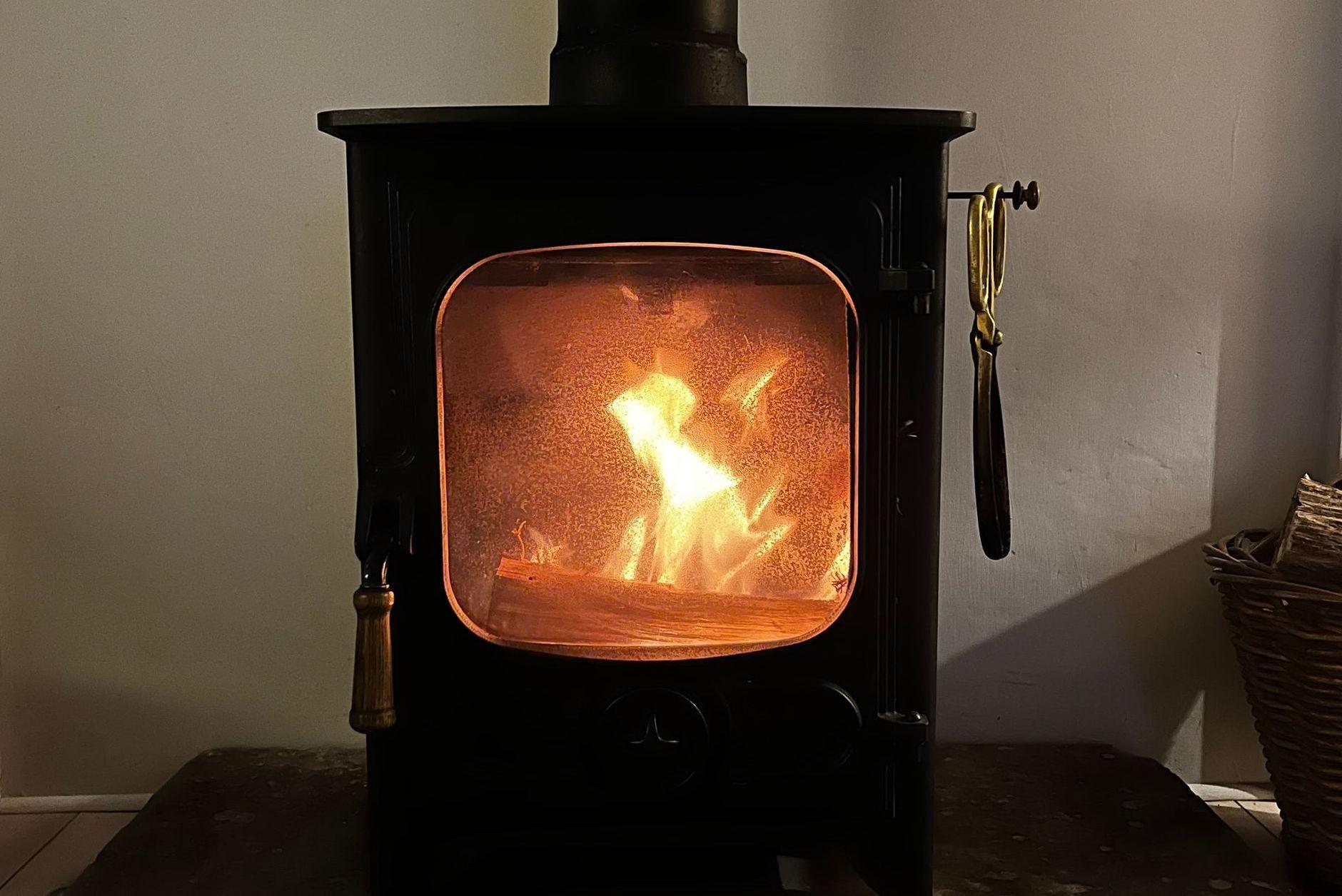
Most gas fireplace calls we take in La Habra Heights start with the same complaint: the thing worked last March and now it clicks, glows for a second or does nothing at all. The repair bill behind that complaint can be a small part swap or a full burner rebuild, and the gap between the two comes down to which component quit and how the unit was built. This guide walks through the parts we replace most, what pushes a job up or down, and how Lundy Chimney Solutions puts a figure on paper before any wrench turns.
Why there is no single sticker price
A gas hearth is a small appliance with a short list of working parts: a pilot assembly, a sensor that proves the pilot is burning, a valve that meters gas to the burner, an igniter, and on newer models a control module with a remote receiver. Around those sit the glass front, the gasket, the log set or media bed, and a vent that carries exhaust outdoors. Any one of these can stop the fire, and each one costs a different amount to source and fit.
Two fireplaces with the same symptom can need completely different parts. A unit that will not hold a flame after you release the control knob might have a thermocouple that has drifted below the millivolt reading the valve needs, or a pilot hood so packed with lint that the flame no longer wraps the sensor. The first is a part. The second is a cleaning. You cannot tell which from the living room, and neither can we until the meter is on it.
That is why we do not list a flat repair fee. We publish prices on this site only for jobs whose size we can predict, and a gas fireplace fault is not one of them.
Parts that fail most, from cheapest to dearest
Here is the order we usually see, from the lowest bill to the highest:
- Dirty pilot or burner ports. Spider webs, dust and drywall grit settle into the pilot orifice over a summer. Cleaning and adjusting the flame costs the least of anything on this list.
- Thermocouple or thermopile. These generate a tiny voltage when heated. Once they weaken with age, the valve shuts the gas off as a safety step. The sensor is cheap; reaching it on a tightly packed burner tray is where the labor goes.
- Igniter or spark electrode. A cracked ceramic insulator or a corroded lead sends the spark to the wrong place. Replacement is quick once we have the matching part number.
- Remote receiver and wall switch. Batteries, a corroded receiver board or a broken wire behind the wall plate. These can look like a valve failure and are much cheaper.
- Gas valve. The most expensive single component. Valves are model specific, and on some older units we have to source a compatible replacement kit.
- Electronic ignition module. Newer units with intermittent pilot ignition rely on a control board. When the board fails, the part price is the main cost.
Glass, gaskets and replacement log sets sit outside this list because they are rarely the reason the fire will not start. They come up when the fire runs but looks wrong, with black tips on the logs, a hazy panel or a whistling seal.
What pushes the labor up
The part is half of the bill. The other half depends on how hard it is to reach and test. Things that add time:
- Burner trays that have to come out. Many zero clearance units hide the valve under a tray held by a dozen screws and a set of ceramic logs that have to be lifted out in order.
- A unit set into stone or tile. If the surround was built tight to the firebox, the lower louver may not come off without care.
- Older units with discontinued parts. We look up the model on the rating plate and find the closest listed replacement. Sometimes that means a conversion kit rather than the original part.
- Venting problems behind the symptom. A pilot that keeps blowing out may be a vent cap that lost its baffle in the Santa Ana winds, not a pilot fault at all. Then the repair includes the vent.
Hillside homes around La Habra Heights add one more: roof access. A direct vent that ends on the roof of a steep two story house takes longer to reach than one that ends on a side wall.
When a repair is not worth paying for
Every so often the honest answer is that the unit has reached the end. Signs we look for: a firebox with rust holes, a heat exchanger that has warped, a valve that is no longer made and has no listed substitute, or glass that is no longer available in the correct size. When fixing it would come close to what a new unit costs, the written findings spell that out and set the replacement route beside the repair.
For context, these are the two installed prices we publish:
| Replacement route | Installed price |
|---|---|
| Sealed gas box fitted inside a fireplace you already have | $2,950 to $5,950 |
| Gas fireplace built into a wall where none stood before | $4,750 to $9,500 |
Most repair bills land far below either line. The table is there so you can weigh a large repair against starting fresh.
How we put a number on your repair
On the visit, a technician opens the lower panel, reads the rating plate, tests gas pressure at the valve with a manometer, measures sensor output with a meter and watches a full light cycle. Then you get a written figure for the parts and labor that fault needs, with the part named. Nothing is replaced until you agree to that figure.
If you want a sense of the job before we come out, use the request form to give us the model number from the rating plate (usually on a chain or a metal tag behind the lower grille), the age of the house and what happens when you try to light it: no click, a click with no flame, a pilot that dies after a few seconds, or a main burner that drops out after a while. That description tells us which parts to bring.
Cleaning first, sometimes
A fair number of no-start calls turn out to be dirt rather than a dead part. Our gas fireplace cleaning visit covers the pilot hood, burner ports, glass and log placement, and it is the cheaper path when the meter readings say the sensor is fine. We tell you which one your unit needs once the readings are in. If the logs are cracked or crumbling, the gas logs page covers replacement sets.
A note on safety while you wait
If the room smells of gas, do not try to light anything. Leave the house, then reach the gas utility from outside. A fireplace that simply will not start is not dangerous on its own, but one that lights with a roll of yellow flame or leaves black marks on the wall above the opening needs a technician before the next use. Our gas fireplace repair page lists the faults we work on.
Next step
When you are ready for a written repair figure on your own unit, the contact page is where to start, and we will set up a visit to La Habra Heights or wherever the fireplace is.
Recognise Your Own Fireplace Here?
Lundy Chimney Solutions tests the pilot circuit, the valve and the vent, then writes a price before ordering a part. Visits run from La Habra Heights to Whittier, La Puente, Diamond Bar and the cities around them.