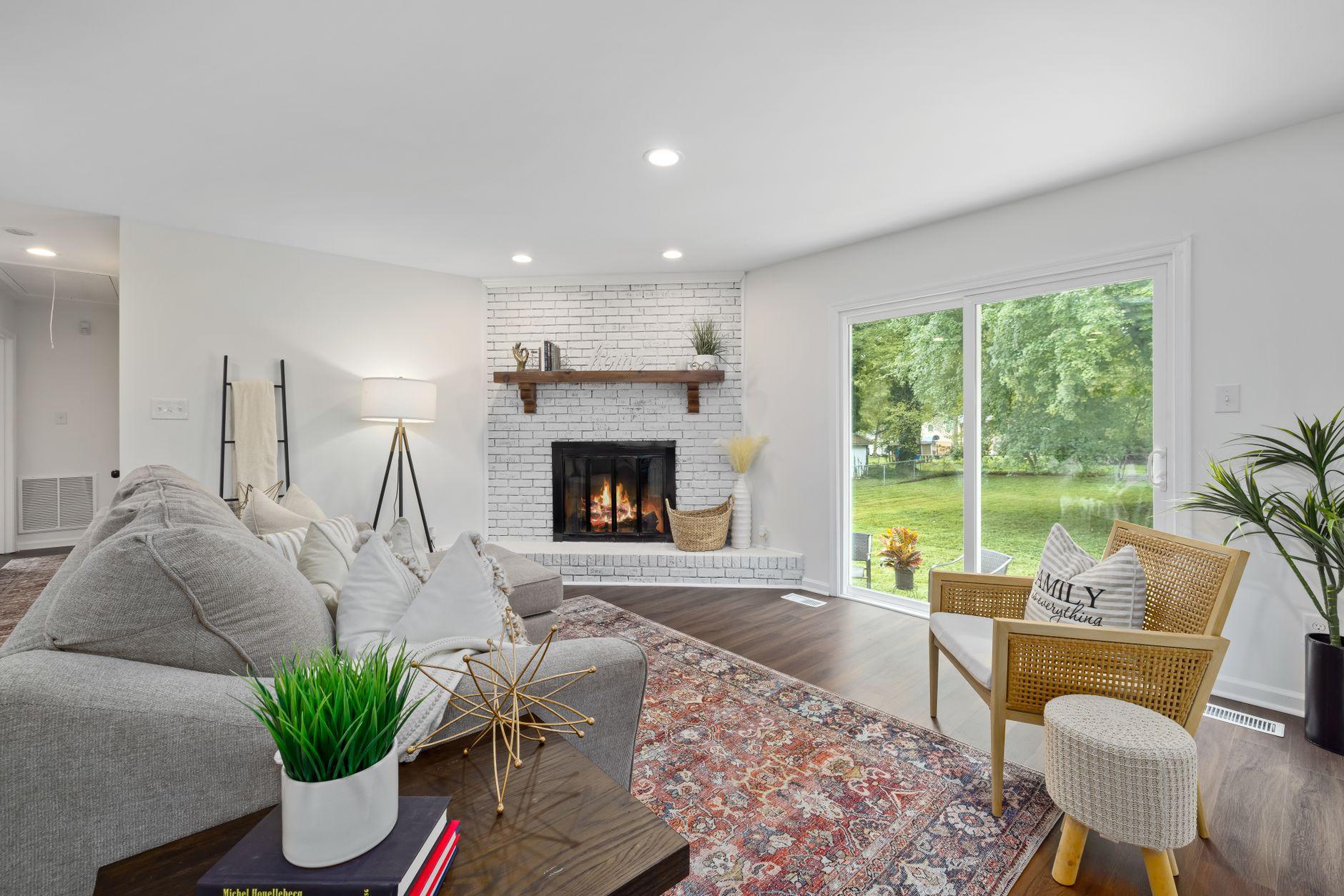
Homeowners who want flame without firewood usually come to us torn between two things. A gas log set keeps the open fireplace and puts a burner with ceramic logs in it. A gas insert closes the opening with a sealed steel box and a glass front. Both get rid of the woodpile. They are very different in heat, venting and price. Here is how we explain the trade to owners in La Habra Heights.
The short answer
- Choose logs if you mostly want the look of a fire for an evening and the fireplace is in good shape.
- Choose an insert if you want the fireplace to warm the room, run on a thermostat and stop losing house heat up the chimney.
The rest of this post is the detail behind that answer.
How a gas log set works
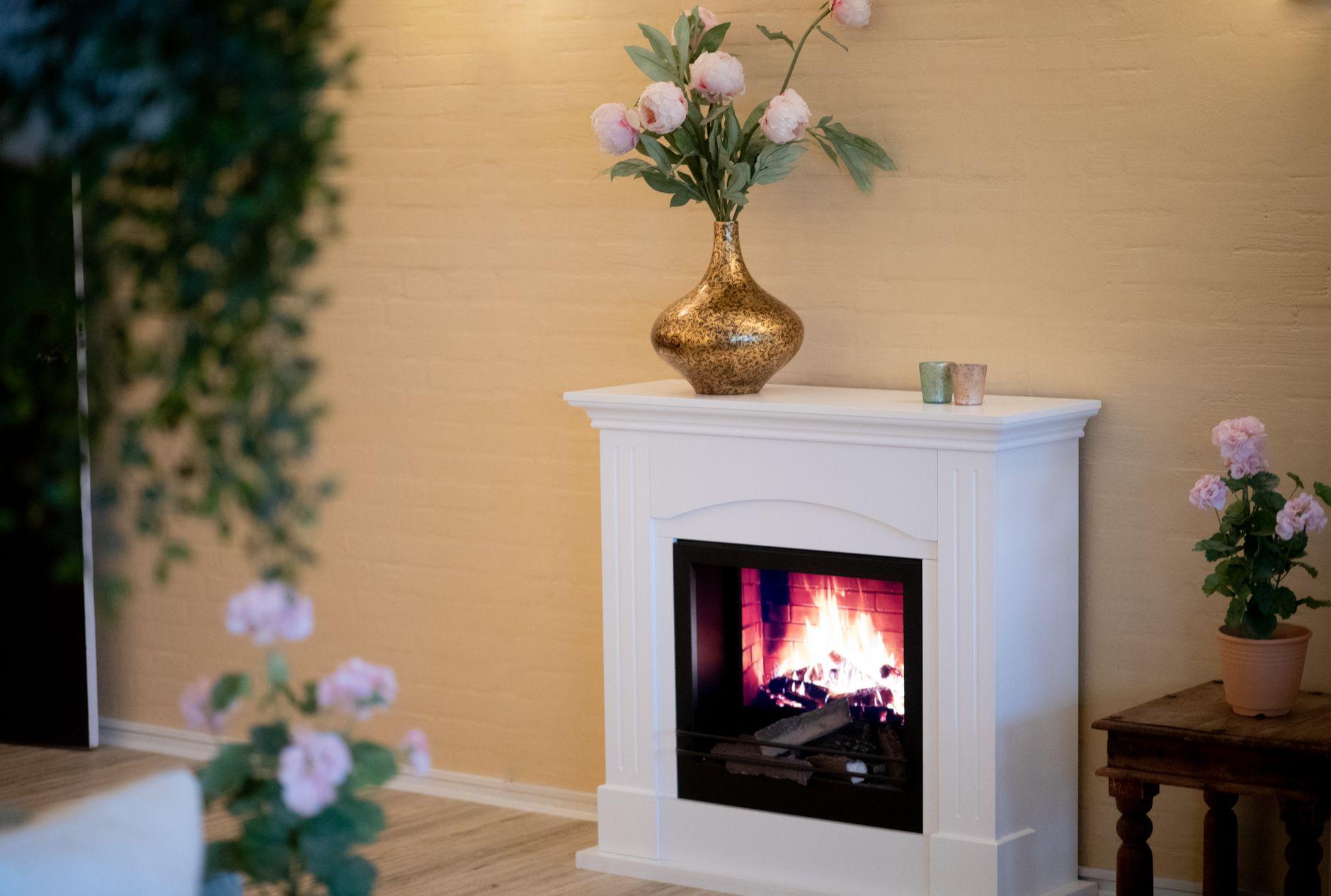
A log set is a steel burner pan with a gas valve, a pilot or match light, and a set of ceramic fiber or refractory logs arranged on top. It sits in your existing firebox, and its exhaust goes up the chimney the same way wood smoke did. Because the fire is open to the room and the flue is open to the sky, a vented log set needs the damper open the whole time it is installed. A clamp on the damper plate keeps anyone from shutting it by accident.
The result is a fire that looks real, lights from a key or a remote, and needs no ash cleanup. It also sends a good share of its heat up the flue, along with some warm room air.
How an insert works
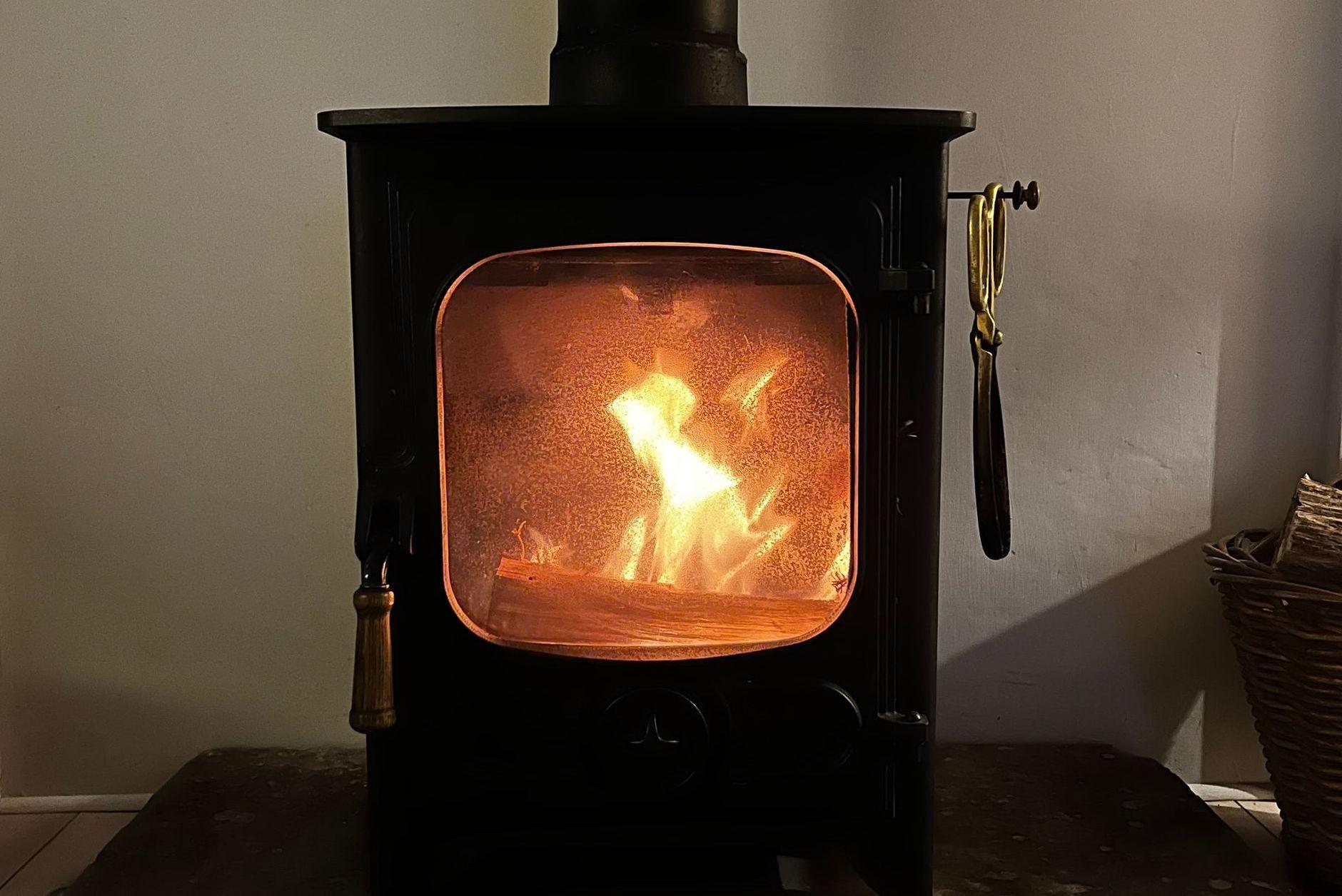
An insert is a closed firebox that slides into the masonry opening. Fresh liner pipe climbs from the insert collar up to the chimney top, which keeps exhaust off the old flue tile, and fresh air for the burner comes from outside. The glass front stays shut. A blower, if the model has one, moves heat off the box and into the room.
The result is a heater that happens to show a fire. It warms the room, and the chimney stops acting as an open hole in the house.
Price
| Option | Installed price |
|---|---|
| Sealed insert set into your current fireplace | $2,950 to $5,950 |
| Gas log set in the open firebox | Priced on the visit |
We do not publish a figure for log sets because the range of sets is wide. A small burner with a few logs is a very different purchase from a large set with glowing embers and a remote valve. What decides the log price: the width and depth of your firebox, whether a gas line already reaches the hearth, the burner style, the log material, and whether you want a standing pilot with a remote or a simple match light with a key.
For the insert, the price moves with the model, the chimney height and the condition of the masonry. Our post on insert or direct vent covers those points.
Heat and running cost
An insert delivers much more of its heat to the room than a log set. With logs, the open flue carries heat away, and on cold nights it pulls warm air from the house to replace what goes up. If you plan to sit by the fire most winter evenings, the insert usually pays back in comfort. If the fire is for holidays and the odd cool weekend, logs are the simpler choice.
Neither option falls under the wood burning curtailment days that South Coast AQMD can call under Rule 445, since those apply to wood fires. That alone moves a lot of owners away from firewood.
The chimney matters for both
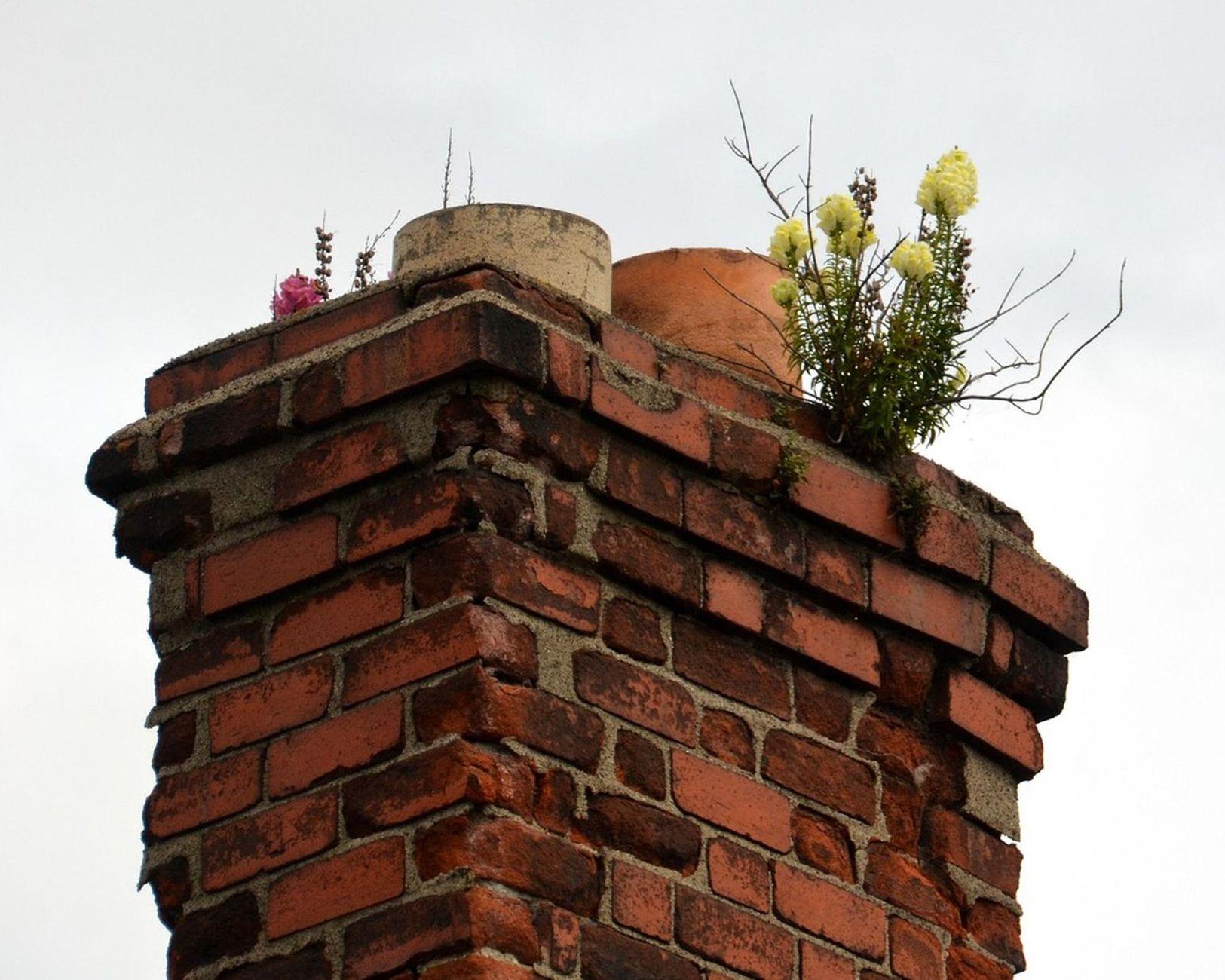
A log set uses the chimney exactly as it is. If the flue tile is cracked or the crown is broken, logs do not fix that, and the exhaust still has to travel past it. An insert gets a new liner, so cracked tile matters less for the exhaust path, but the crown, flashing and brick above the roof still have to keep water out.
In this part of Los Angeles County many brick chimneys date from the decades before the 1987 Whittier Narrows quake, and plenty have cracks that nobody has seen. A Level 2 inspection at $415 runs a camera through the flue so you know what you are working with before you buy either option.
Care and upkeep
Both options need a yearly visit. A log set needs the burner ports and pilot cleaned, the logs reset in the pattern the maker drew, and the damper clamp checked. An insert needs the same burner and pilot work, plus the glass cleaned and the gasket looked at. Our gas fireplace cleaning visit covers either.
Log sets do one thing inserts do not: they show soot quickly when the logs drift out of place. If the tips of your logs turn black, that is a sign the flame is touching them where it should not.
What decides the next step
The choice comes down to how you use the room, what shape the chimney is in, and whether gas already reaches the hearth. A technician can answer all three in one visit.
To get a written figure for either option, use the request form and tell us the width of the fireplace opening at the front, whether you see a gas key in the floor or hearth, and which way you are leaning. We will bring sample sizes for both.
Related pages
For a visit to a home in La Habra Heights, La Puente or Santa Fe Springs, the contact page is where we take it from.
Recognise Your Own Fireplace Here?
Lundy Chimney Solutions tests the pilot circuit, the valve and the vent, then writes a price before ordering a part. Visits run from La Habra Heights to Whittier, La Puente, Diamond Bar and the cities around them.